
ContrastConnect has released a new guide examining how Ohio HB 479 affects virtual contrast supervision requirements, adding to its ongoing series of state-by-state resources for imaging facilities.
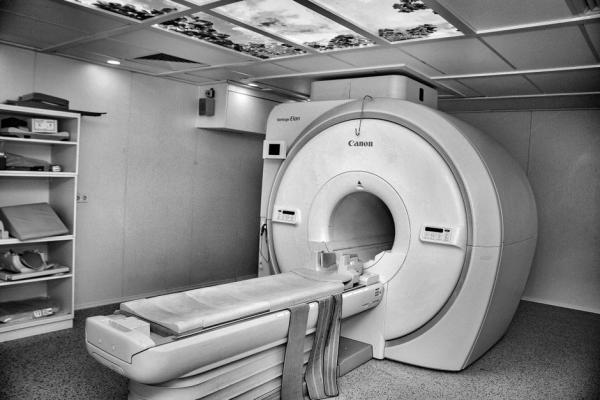
-- With virtual direct supervision now permanently allowed under CMS federal guidelines effective January 1, 2026, ContrastConnect is exploring how remote contrast supervision requirements differ by state. In the company's latest guide, the team covers virtual supervision in Ohio and how HB 479 aligns with the amended federal rules.
For more information, please visit https://www.contrast-connect.com/blog-post/ohio-hb-479-and-virtual-contrast-supervision-2026-requirements-updates-explained
Radiology practices have been contending with persistent staffing shortages, with the ACR/RBMA workforce survey finding that approximately 69% of radiologists reported their organizations as understaffed in 2023. Coverage gaps have been most pronounced in diagnostic imaging, affecting many facilities' ability to provide timely services to patients. In response, medical professionals advocated for remote supervision of imaging procedures, a model seen as a practical solution to staffing constraints, and the CMS formally approved it as a permanent policy effective January 1, 2026.
While virtual contrast supervision is permitted nationwide, ContrastConnect's guide says that state regulations supersede federal guidelines. Regional imaging centers must therefore be aware of state laws before they integrate the model into their operations. In Ohio, under HB 479, supervision standards are more demanding for contrast exams, and these requirements must be met for compliance.
Per the resource, HB 479 requires remote supervising physicians to be available through real-time, two-way audiovisual communication at the time contrast is administered, meaning the connection must be live and capable of supporting immediate interaction between on-site staff and the overseeing physician. Beyond that audiovisual requirement, the bill explicitly requires a separate qualified provider trained in recognizing and managing contrast reactions to be physically present alongside technicians and the patient.
HB 479 also mandates that facilities use HIPAA-certified technology for remote communication. Consumer-grade tools like FaceTime and Zoom or audio-only channels are prohibited, as they lack the encryption and robust redundancies required for high-risk procedures like contrast exams.
For a smooth transition to fully remote or hybrid coverage models, ContrastConnect's guide says Ohio imaging centers can begin preparing now by training on-site staff in contrast reaction management and escalation procedures. Administrators can also consider building out their virtual supervision infrastructure ahead of the bill's passage, so that operations can be activated without delay once it is enacted.
More information is available at https://www.contrast-connect.com/
Contact Info:
Name: Dor Shoshan
Email: Send Email
Organization: ContrastConnect
Address: Las vegas, Las Vegas, NV 89109, United States
Website: https://www.contrast-connect.com/
Source: PressCable
Release ID: 89206469
Should there be any problems, inaccuracies, or doubts arising from the content provided in this press release that require attention or if a press release needs to be taken down, we urge you to notify us immediately by contacting [email protected] (it is important to note that this email is the authorized channel for such matters, sending multiple emails to multiple addresses does not necessarily help expedite your request). Our efficient team will promptly address your concerns within 8 hours, taking necessary steps to rectify identified issues or assist with the removal process. Providing accurate and dependable information is central to our commitment.



